ouinon wrote:
monty wrote:
... there obviously are beliefs that are both false and dangerous. Nazism, for example.
Dangerous perhaps, if acted on, but false? What is "false" about someone's belief? It exists. It is real. It has meaning for them.
How do you measure the "truth" of a belief?
.
Sorry, but if someone tells me they believe that Mars has chocolate rivers and is populated by unicorns and dragons, I will dismiss that belief as false.
Values, of course, are not usually disprovable - for example, do we need a government program to address a particular problem, or is that best left to individuals and the market? That is a question of preferences. People may make cases for or against such programs, based partly on verifiable facts, but also based on values, aspirations, and other choices that cannot be describe as objectively right or wrong.
On the other hand, the belief that the government need not take action on crime because crime has not occurred for the past 4 years can be rejected because it is predicated on facts that can be shown to be false. Put another way - if a doctor believes it is best to remove part of your body and put you through chemotherapy to save you from cancer, do you want that belief to be examined in terms of the factual question of whether you actually have cancer? Or is that belief just another belief, equal to all others, regardless of whether that lump is a malignant cancer or just a harmless cyst or lump of fat?









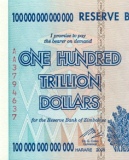


 Belief falsified.
