Daylight saving change faces trouble in House
Quote:
Legislation to make daylight saving time permanent passed the Senate last week, but the House is not ready to be a rubber stamp, spelling potential trouble ahead for its passage in the lower chamber.
Leaders on both sides of the aisle have made clear they are not in a rush to act on the legislation, with some citing the focus on the crisis unfolding in Ukraine, as well as the need for further review from members before taking up the proposal.
And though the idea has enjoyed bipartisan support across Congress, its path in the lower chamber is uncertain, as a few members have begun to call for more research into the proposed measure before signing on to the push.
Rep. Pramila Jayapal (D-Wash.) told The Hill on Friday that, while she has supported doing away with the semiannual time change in the past, she’s gotten mixed reactions from her constituents over the idea.
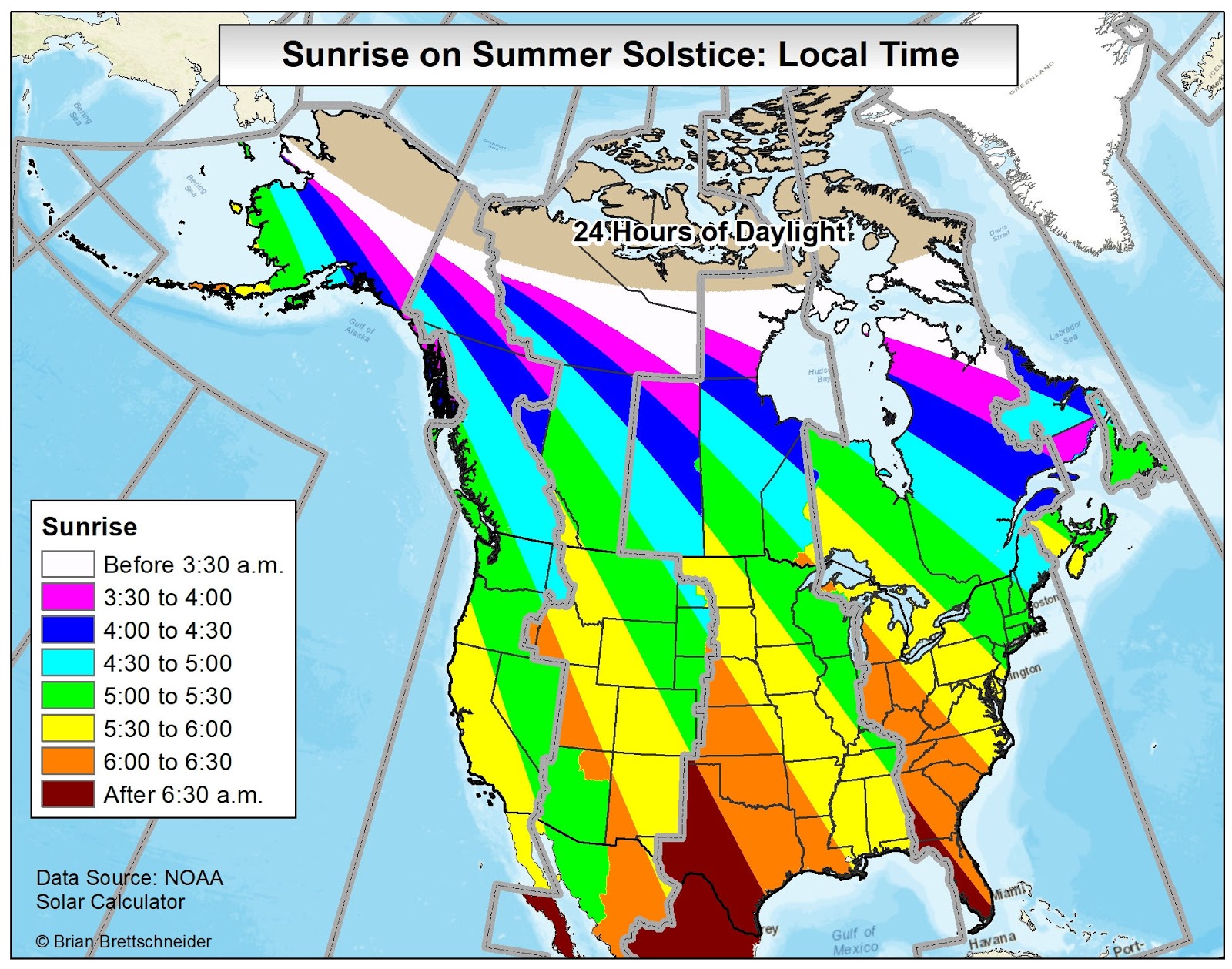
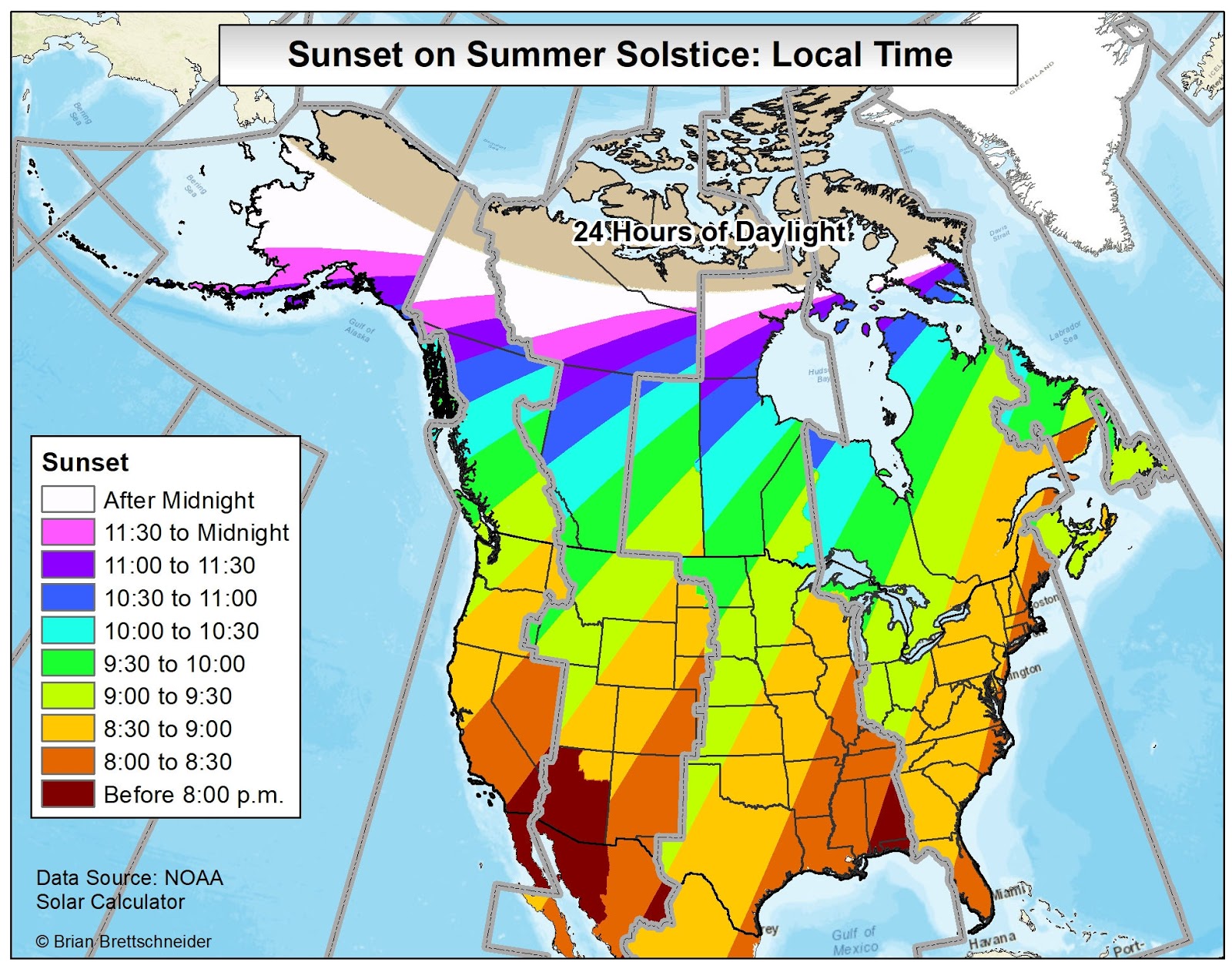
“I've been hearing a lot about this from my constituents recently because we're in Seattle and it is so dark,” she said, “and so if we make daylight saving permanent, it's gonna be dark until like nine o'clock in the morning.”
Pressed about his stance on the proposal, Rep. Al Green (D-Texas) stressed the need for additional evidence before taking a position.
“I'm going to ask my staff for some empirical studies about this,” he said.
In remarks to The Hill on Friday, Rep. Hakeem Jeffries (N.Y.), head of the House Democratic Caucus, said he assumes the legislation will “be more broadly discussed both by the relevant committees and within the caucus sooner rather than later.”
“Different members have articulated a different perspective. We'll have to come to some consensus. We were unexpectedly sent this bill by the Senate. Now, we’re trying to absorb it,” Jeffries said.
But Rep. John Yarmouth (D-Ky.) on Friday afternoon cast doubt on any chance the House would immediately pass the measure, telling The Hill he “can’t imagine” the bill being fast-tracked the same way in the lower chamber that it recently had in the Senate.
“I don't know that many members have really thought through it,” Yarmouth said, adding most members were kind of “blindsided” by how quickly the Senate approved the proposal. But he anticipates much more opinion on the matter in the near future as public interest around the push has grown.
“Now what will happen is you'll get all of this outpouring of studies and people say, ‘Yeah, we agree you shouldn't change twice a year, but what is it, standard time or daylight time?’ And then you get the farm bureaus and the parents associations,” he said, while predicting the “longer it goes, the chances of passage decline.”
“It'll get more controversial the longer it goes,” Yarmouth said. He also recalled his past experience as a congressional staffer in the early 1970s, when he said the time change emerged as an “emotional issue.”
David Prerau, the author of “Seize the Daylight: The Curious and Contentious Story of Daylight Saving Time,” told The Hill that while the idea had been popular when it was proposed, much of the public grew to dislike it during winter.
“All of a sudden, everybody realized that they didn't like it at all. It made the mornings very, very dark. All of the sunrises were an hour later than it would have been,” Prerau said. “Many, many people were getting up into pitch dark, going to work in the pitch dark, which they disliked. And they also disliked sending their kids to school in the dark, having to walk on dark country roads ... so it became very unpopular very quickly.”
_________________
“Self Acceptance is a process not a performance”
“You are autistic enough. And you always have been”
Professionally Identified and joined WP August 26, 2013
DSM 5: Autism Spectrum Disorder, DSM IV: Aspergers Moderate Severity.