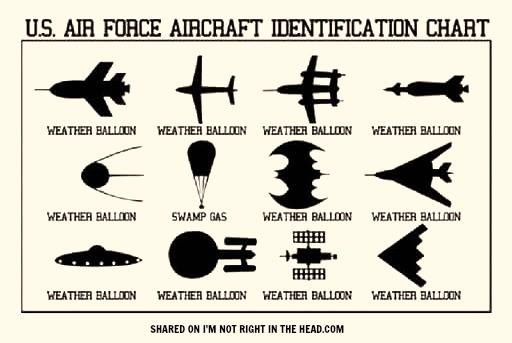
Marsh gas, swamp gas, and bog gas is a mixture of methane, hydrogen sulfide, and carbon dioxide, produced naturally within some geographical marshes, swamps, and bogs. In folklore, a will-o'-the-wisp, will-o'-wisp or "ignis fatuus"; Medieval Latin for "fool's fire") is an atmospheric ghost light seen by travelers at night, especially over bogs, swamps or marshes. The phenomenon is known in English folk belief, English folklore and much of European folklore by a variety of names, including jack-o'-lantern, friar's lantern, hinkypunk and hobby lantern, and is said to mislead travelers by resembling a flickering lamp or lantern. In literature, will-o'-the-wisp sometimes have a metaphorical meaning (e.g., describing a hope or goal that leads one on but is impossible to reach, or something one finds sinister and confounding).
The term "Will-o'-the-wisp" appears in folk tales and traditional legends of numerous countries and cultures; notable will-o'-the-wisp include St. Louis Light in Saskatchewan, Marfa lights of Texas, the Naga fireballs on the Mekong in Thailand, and the Hessdalen light in Norway. While urban legends, folkore, and superstition typically attribute will-o'-the-wisps to ghosts, fairies, or elemental spirits, modern science often explains them as natural phenomena such as bioluminescence or chemiluminescence, caused by the oxidation of phosphine (PH3), diphosphane (P2H4), and methane (CH4) produced by organic decay.
_________________
The mere fact that science may not yet adequately explain an object, event, or experience does not mean the immediate explanation should automatically default to a conspiratorial, extraterrestrial, paranormal, or supernatural cause.