
Emergence of a Deadly Coronavirus



 06 Jan 2021, 3:13 pm

Canadian Doctors/Scientist/Engineers are now Speaking Out
The following open letter from 363 Canadian experts was sent to the prime minister, premiers and chief medical officers of the federal, provincial and territorial governments in Canada on 4 January 2021.
We are a group of physicians, scientists, occupational health and safety experts, engineers and nursing professionals who have been following COVID-19 developments closely. We are deeply concerned by the recent increase in cases and hospitalizations across Canada. We urge you to update provincial COVID-19 guidelines, workplace regulations and public communication to reflect the science — COVID-19 spreads through inhaled aerosols.
In July of 2020, 239 international scientists brought this issue to the world stage [1]. Since the publication of their letter, some progress has been made gaining recognition from the World Health Organization, Center for Disease Control and Public Health Agency of Canada for aerosol transmission of COVID-19 [2]. However, this has not resulted in any significant improvement in workplace protection for health care workers and other essential workers. There also continues to be a lack of public messaging at the provincial level to reflect the risk of transmission in shared room air. While other countries promote avoiding the 3 C’s (closed spaces, crowded places and close-contact settings), we continue to focus on deep-cleaning and two-metre physical distancing. With winter upon us, our activities are moving indoors and it is therefore imperative that workplaces, public institutions and individuals understand the risk of aerosol transmission as well as the actions that can be taken to combat it.
The rapid global spread of COVID-19 has sparked unprecedented cross-disciplinary research. Contributions from the fields of engineering, life science, aerosol science, medicine, occupational hygiene and epidemiology are driving a paradigm shift in our understanding of aerosol transmission of respiratory viruses, including COVID-19.
The evidence is now overwhelming — aerosol transmission of COVID-19 is common and is an important route of transmission [3, 4, 5, 6]. This was elegantly summarized by Fang et al: “perhaps the biggest surprise about the issue of airborne spread of SARS-CoV2 is that it has been surprising to so many people” [4]. Virus-laden aerosols frequently infect susceptible contacts at close proximity where they are most concentrated — like smoke. In suboptimally ventilated environments, infectious aerosols can accumulate in shared room air and reach dangerous concentrations. Control strategies targeting close-proximity transmission, such as physical distancing and effective face-fitted masks, are key to reducing short-range aerosol transmission risk. For transmission in shared room air, ventilation and air filtration are critical additional measures, as expelled aerosols build up in poorly ventilated spaces. We know that many workplaces, buildings and residences in our communities have substandard ventilation.
With this evolving science, the importance of monitoring and improving ventilation has become increasingly clear. The September 28, 2020 report by the Chief Science Advisor of Canada’s COVID-19 Expert Panel summarizes high-yield short-term and long-term goals to reduce indoor transmission of COVID-19 and improve indoor air quality [7]. Despite this report, there continues to be a lack of attention to the importance of ventilation at the provincial and federal levels.
The acknowledgement of aerosol transmission also calls into question the provincial directives for personal protective equipment for health care workers and other essential workers. Most health care workers and essential workers in Canada continue to use “droplet and contact precautions,” wearing poorly-fitted surgical masks, even in high-risk settings. A letter from the international board of directors of Workplace Health Without Borders to Dr. Theresa Tam in April 2020 highlights these concerns well [8].
To reflect the current scientific evidence, we call on provincial leaders to:
* Update COVID-19 guidance to address the risk of aerosol transmission of COVID-19
* Promote strategies to reduce transmission risk in private homes and businesses through clear public health messaging and education. Avoid the “3 C’s” through indoor mask wearing even when distanced, routinely opening windows to refresh the air, regular HVAC maintenance and filter replacement, turning on available vented range hoods and bathroom exhaust fans
* Mandate and fund ventilation assessments and upgrades of essential public institutions such as schools and long-term care homes
* Ensure that no high-risk health care worker or other essential worker is denied access to a fit-tested respirator (N95, elastomeric or equivalent). Risk assessment by health care workers should go beyond the presence of “aerosol generating procedures” and should take into consideration aerosol-generating behaviours (e.g., shouting, singing, coughing, sneezing, heavy breathing), proximity to the patient, time spent with the patient, building air quality, and patient compliance with masking for source control. Risk assessment for other essential workers should consider crowding, close contact, presence of aerosol-generating behaviours, and building air quality
* Recommend and deploy carbon dioxide (CO2) monitors as a surrogate measure in case of inadequate ventilation to reduce long-range transmission risk in shared room air. During a TB outbreak, CO2 concentrations above 1000 PPM significantly increased the risk of becoming infected with TB [9]. Improving the building ventilation to a CO2 concentration of 600 PPM stopped the outbreak in its tracks.
* Include appropriately sized portable air filtration (HEPA) units or low-cost homemade devices using MERV-11/13 filters and box fans as options for filtering out bioaerosols indoors when ventilation is suboptimal
* Engage engineers and other ventilation specialists to develop clear ventilation standards for indoor institutions and integrate these standards into the reopening guidelines for businesses with a higher risk of aerosol transmission (e.g., restaurants, bars and gyms)
Specific strategies to reduce indoor aerosol transmission of COVID-19 are adeptly summarized in the Chief Science Advisor of Canada’s COVID-19 Expert Panel’s bioaerosol report [7], the Occupational Safety and Health Administration (OSHA) Alert [10], the Harvard TC Chan Risk Reduction Strategies for Reopening Schools Report [11], the CDC’s “COVID-19 Ventilation in Buildings” guidance [12], the European CDC’s “Heating, Ventilation and Air-Conditioning Systems in the Context of COVID-19: First Update” [13], and the “ASHRAE Position Document on Infectious Aerosols” [14].
Experts warn that future respiratory viral pandemics are likely [15]. Investing in ventilation, indoor air quality and appropriate personal protective equipment now will save lives and prevent economic hardship in the future. Germany is investing €500 million to improve ventilation systems in public buildings [16]. China implemented airborne precautions for health care workers in January 2020. Italy, New Zealand and Japan have all accepted and promote aerosol messaging. The public health “sanitary reformers” of the late 1800s led the way in overcoming water-borne diseases like cholera and typhoid fever through investments in sewer systems and water treatment plants [17]. We are certain that there were those who thought the task at hand was insurmountable. When the history of Canada’s response to COVID-19 is written, we hope that our country is once again viewed as a public health innovator.
Source: Time for government to take aerosol transmission of COVID-19 seriously
_________________
Author of Practical Preparations for a Coronavirus Pandemic.
A very unique plan. As Dr. Paul Thompson wrote, "This is the very best paper on the virus I have ever seen."
06 Jan 2021, 3:23 pm
Hundreds of Canadian health experts call for action on airborne spread of COVID-19
Hundreds of scientists, doctors and other health experts from across Canada are calling for more aggressive measures to stop airborne spread of COVID-19. The experts include more than 360 scientists, occupational health specialists, engineers, doctors and nurses who are expressing alarm over surging cases and hospitalizations. They say provincial prevention messages “continue to be deficient” when it comes to infection threats posed by shared indoor spaces.
Their concerns are detailed in an open letter addressed to Canada’s Chief Public Health Officer Dr. Theresa Tam, federal Health Minister Patty Hajdu and provincial premiers and medical officers. Dr. Amir Khadir, a physician who is also a former Quebec MNA, is one of the health experts who signed the letter.
“There is a very strong consensus that is built around the fact that the transmission of the virus is mainly due to air transmission through what we call aerosols or small, tiny droplets that don’t fall as a ball, but that go into the air as a smoke,” he told Global News.
The experts want public health messages to more strongly warn of the risk posed in closed spaces, especially with winter forcing more people indoors.
They’re also calling for officials to order the inspection of ventilation systems in schools, long-term care homes and other essential public institutions, and funding for necessary upgrades in those spaces. Where ventilation is not possible, the experts behind the letter say portable air filtration units that filter bioaerosols should be set up.
The letter pushes for reopening plans that include clear ventilation standards for businesses with higher risk of aerosol transmission such as restaurants, bars and gyms.
The experts also want assurances that fit-tested respirators are available to all high-risk healthcare workers and essential workers.
But they also warn that private homes and businesses can be a source of aerosol spread, too, and want officials to stress the importance of mitigating spread by routinely opening windows, turning on vented range hoods and bathroom fans, and masking even when distanced.
-----------------------------------------------
The current approach to stopping the spread of the coronavirus reminds me of the story of a little Dutch boy [Hans Brinker] who put his finger in a leaking dike which was about to burst. The main problem is that if the dike starts to crumble, sticking your finger in it won't help much.
_________________
Author of Practical Preparations for a Coronavirus Pandemic.
A very unique plan. As Dr. Paul Thompson wrote, "This is the very best paper on the virus I have ever seen."
07 Jan 2021, 11:16 am
U.K. Coronavirus Stain Spreading in U.S.
The coronavirus B.1.1.7. variant is said to be more transmissible than prior strains, but it is not thought to be more virulent or resistant to vaccines and treatment. Infectious disease experts weren’t surprised to hear of the variant already circulating in the U.S., given ongoing travel.
Over 50 cases of the more contagious, mutated coronavirus strain first detected in the U.K. have been identified across the U.S., according to the Centers for Disease Control and Prevention (CDC). In an update Wednesday, the CDC listed 26 cases in California, two in Colorado, 22 in Florida, one in Georgia and an additional case in New York, for a total of 52 cases.
The agency noted that the figures are an underestimate, writing: "The cases identified above are based on a sampling of SARS-CoV-2-positive specimens and do not represent the total number of B.1.1.7 lineage cases that may be circulating in the United States and may not match numbers reported by states, territories, tribes, and local officials."
Source: CDC reports 52 cases of UK coronavirus strain in US
_________________
Author of Practical Preparations for a Coronavirus Pandemic.
A very unique plan. As Dr. Paul Thompson wrote, "This is the very best paper on the virus I have ever seen."
07 Jan 2021, 12:25 pm
Another research study released supporting the finding that aerosol transmission contributes to spread especially in cluster cases.
Aerosol transmission, an indispensable route of COVID-19 spread: case study of a department-store cluster.
We analyzed the data of 43 patients in Baodi Department Store (China) to supplement the transmission route and epidemiological characteristics of COVID-19 in a cluster outbreak. SRAS-CoV-2 can be released into the surrounding air through patient’s respiratory tract activities, and can exist for a long time for long-distance transportation. Environmental factors influencing were analyzed and indicated that the SARS-CoV-2 transportation in aerosol was dependent on temperature, air humidity, ventilation rate and inactivating chemicals (ozone) content. we believe that aerosol transmission played a significant role in analyzing their exposure history and environmental conditions in Baodi Department Store.
_________________
Author of Practical Preparations for a Coronavirus Pandemic.
A very unique plan. As Dr. Paul Thompson wrote, "This is the very best paper on the virus I have ever seen."
07 Jan 2021, 1:00 pm
How long will the immunizations lasts?
Moderna’s CEO made a bold prediction Thursday about the amount of immunity his company’s COVID-19 vaccine may provide, suggesting that the recently approved vaccine could offer protection of up to a couple of years.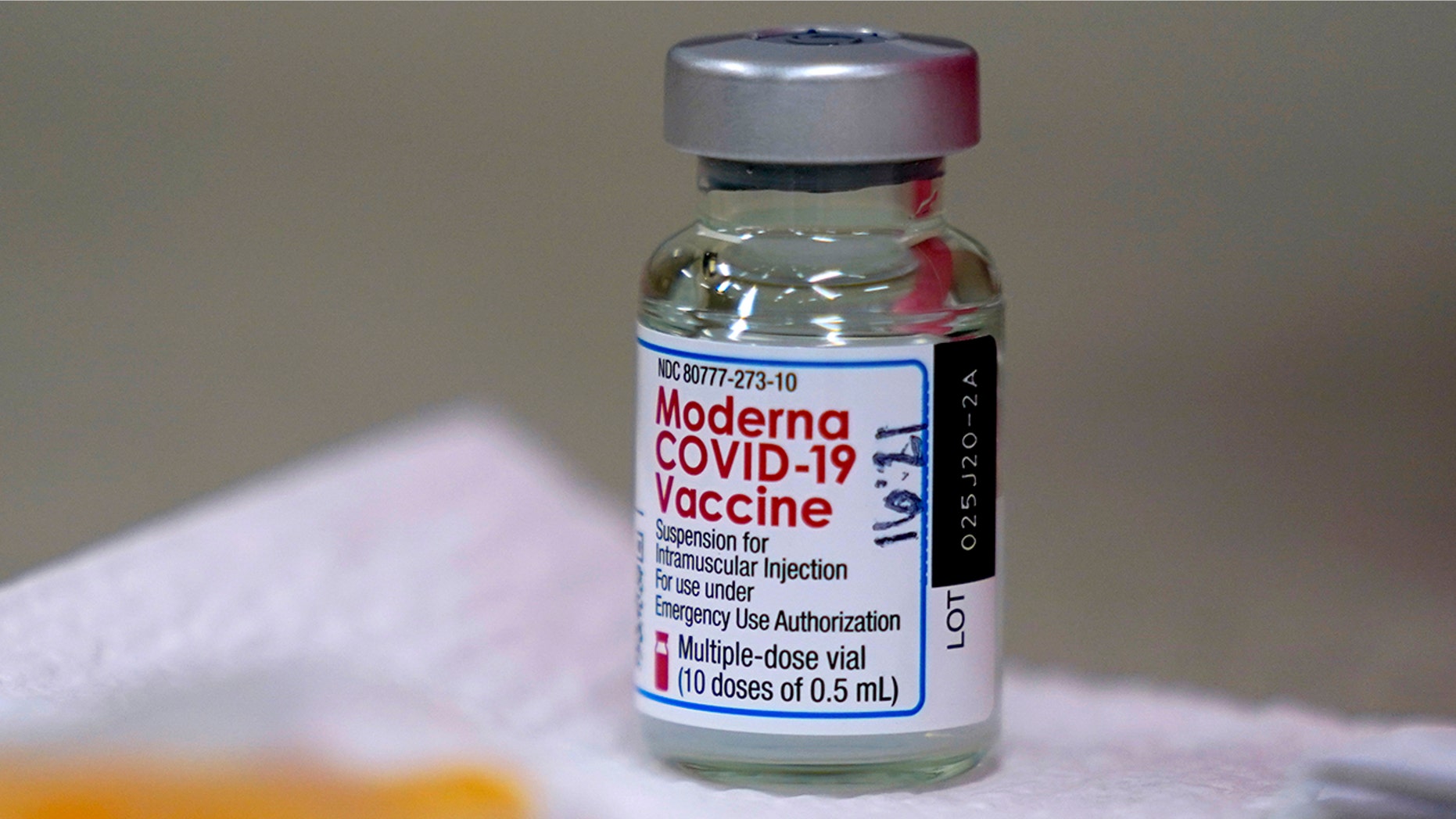
"The antibody decay generated by the vaccine in humans goes down very slowly," he said. "We believe there will be protection potentially for a couple of years."
Source: Moderna CEO says COVID-19 vaccine likely to protect for 'couple years'
_________________
Author of Practical Preparations for a Coronavirus Pandemic.
A very unique plan. As Dr. Paul Thompson wrote, "This is the very best paper on the virus I have ever seen."
07 Jan 2021, 3:45 pm
Loss of Taste and Smell
In a study published on Tuesday in the Journal of Internal Medicine, researchers found that some 86% of people with a mild case of the coronavirus lost their sense of taste and smell. "[Olfactory dysfunction] is more prevalent in mild COVID-19 forms than in moderate-to-critical forms," the researchers said in the study, noting that according to their research, 75% to 85% of people regained their ability to taste and smell two months after their infection, while 95% of patients regained their ability to taste and smell at six months.
Interestingly, the researchers also found that younger COVID-19 patients were more likely to lose their sense of taste and smell compared to older patients, though the reasoning behind this requires further analysis, they noted.
Source: Those with mild coronavirus experience loss of taste, smell in 86% of cases: study
_________________
Author of Practical Preparations for a Coronavirus Pandemic.
A very unique plan. As Dr. Paul Thompson wrote, "This is the very best paper on the virus I have ever seen."
08 Jan 2021, 10:47 am
UK green-lights Moderna COVID-19 vaccine, marking third in arsenal
Britain authorized Moderna's COVID-19 vaccine on Friday, following previous approval granted for shots developed by Pfizer/BioNTech and Oxford/AstraZeneca. The nod from the U.K.’s regulatory agency was said to follow "a thorough and rigorous assessment," as well as advice from an independent commission, according to a government statement released Friday.
Britain has ordered an additional 10 million doses of the vaccine, bringing the total to 17 million doses. They are not expected to be delivered to the U.K. until spring. So far, Britain has inoculated 1.5 million people with the Pfizer-BioNTech and Oxford University-AstraZeneca vaccines. It plans to vaccinate some 15 million people by mid-February.
_________________
Author of Practical Preparations for a Coronavirus Pandemic.
A very unique plan. As Dr. Paul Thompson wrote, "This is the very best paper on the virus I have ever seen."
08 Jan 2021, 10:58 am
Progress of COVID innoculations
According to the coronavirus vaccine tracker, the U.S. has now administered 5.92 million vaccines.
Globally 17.55 million people have been vaccinated with the U.S., China and Israel in the top three positions. The U.K. is moving up fast and will soon occupy the third place position.
Source: Coronavirus vaccine tracker
_________________
Author of Practical Preparations for a Coronavirus Pandemic.
A very unique plan. As Dr. Paul Thompson wrote, "This is the very best paper on the virus I have ever seen."
Biscuitman
Veteran


Joined: 11 Mar 2013
Age: 46
Gender: Male
Posts: 2,674
Location: Dunking jammy dodgers
08 Jan 2021, 11:36 am
Todays numbers in the UK:
68,053 new Covid cases
1,325 new fatalities
Major incident declared in London today as hospitals are now very close to being full and patients are being taken elsewhere in the country
What a mess we have got ourselves in. These levels of numbers could carry on for another couple of weeks too

08 Jan 2021, 4:39 pm
Vaccine Bottleneck
Only 28 percent of the coronavirus vaccines released to the 50 states in the U.S. have been administered thus far. But either because of bureaucracy or because some people are hesitant towards being the first ones in line to receive the vaccine, people are not getting vaccinated. In addition the federal government is holding back coronavirus doses to ensure that the individuals that received the first shot also are able to get the second follow-on shot to maximize the efficacy of the vaccine.
According to Dr. Nicole Saphier, We should not be focusing on getting more doses out. We need to focus on getting the doses that have already been sent out into the arms of Americans, by calling on the private sector, setting up these mega sites, allowing anyone over the age of 65 who wants a vaccine to be able to get it. They need to stop with the red tape. They need to stop with the restrictions, and they need to be giving this vaccine to any American that wants it.
We need to solve the bottleneck.
[Hospitals] are being restricted by the state by saying they are not allowed to give it to their high-risk patients ... They are saying it has to be hospital employees ... Once that vaccine leaves the freezer, it has a shelf life of about 30 days. And at that point, they have to throw it away. If they get more and more millions of doses, and it's not getting into the arms of Americans, they're going to start throwing away doses, and that's going to be a catastrophe.
Source: Biden coronavirus vaccine plan won't fix 'bottleneck' on administering shots
_________________
Author of Practical Preparations for a Coronavirus Pandemic.
A very unique plan. As Dr. Paul Thompson wrote, "This is the very best paper on the virus I have ever seen."
08 Jan 2021, 4:45 pm
More than half of coronavirus cases spread by asymptomatic carriers, CDC model shows
The model, published in JAMA Network Open on Thursday, shows that an estimated 59% of all coronavirus cases come from those who are asymptomatic, including 35% who are presymptomatic — meaning they initially don’t show symptoms but eventually develop them — and 24% who never develop any signs of symptoms of COVID-19.
"The findings of this study suggest that the identification and isolation of persons with symptomatic COVID-19 alone will not control the ongoing spread of SARS-CoV-2," the researchers wrote when describing their findings.
_________________
Author of Practical Preparations for a Coronavirus Pandemic.
A very unique plan. As Dr. Paul Thompson wrote, "This is the very best paper on the virus I have ever seen."
ASPartOfMe
Veteran

Joined: 25 Aug 2013
Age: 68
Gender: Male
Posts: 39,637
Location: Long Island, New York
10 Jan 2021, 5:39 am
Biden to quickly release nearly all vaccine doses in shift from Trump
“The President-Elect believes we must accelerate distribution of the vaccine while continuing to ensure the Americans who need it most get it as soon as possible,” Biden spokesman TJ Ducklo said in a statement. “He supports releasing available doses immediately, and believes the government should stop holding back vaccine supply so we can get more shots in Americans' arms now.”
The Trump administration pushed back on Biden's announcement, saying that their plan is to release more doses "as manufacturing further stabilizes," and that they already are releasing as many vaccines as they can while ensuring the availability of second doses later on.
The Trump administration has been holding back half of the available doses to ensure there is enough supply for everyone who is getting a first dose to later get a second dose as well. But the Biden transition said it is confident there will be enough manufacturing to ensure enough supply for second doses.
CDC has not seen emergence of a highly contagious U.S. variant of coronavirus
The new strain is already spreading in communities and may be 50% more transmissible, it said.
The report, which was issued to states on Jan. 3, offers few further details about this possible new variant.
The CDC issued a statement saying it has not seen the emergence of a highly contagious new U.S. variant of the coronavirus, unlike variants in the U.K. and South Africa. It noted, however, that there are probably many variants emerging across the globe.
_________________
“Self Acceptance is a process not a performance”
“You are autistic enough. And you always have been”
Professionally Identified and joined WP August 26, 2013
DSM 5: Autism Spectrum Disorder, DSM IV: Aspergers Moderate Severity.
10 Jan 2021, 8:23 am
And therein lies a problem.
In some places there is too much red tape to the vaccination process and the vaccines are not being given. They are date coded and will be thrown away if not used in a timely fashion. So millions of doses of this important vaccine may be wasted unless they can first correct the vaccination process.
It is important to get the shots in the arm as quickly as possible. It is important to cut the red tape and allow this to happen. Otherwise a major disaster is in the making. LET NO VACCINE GO TO WASTE
Most states have administered less than half of the vaccines they have been given.
CDC: Most states have administered less than 50% of COVID-19 vaccine supply
Some states like Michigan, Nevada, Idaho, Arizona, Arkansas, Mississippi, Alabama, Georgia have administered less than 25% of their vaccine supplies.
The following is a link to the COVID-19 Vaccine Tracker by State:
MAP: Covid-19 vaccination tracker across the U.S.
_________________
Author of Practical Preparations for a Coronavirus Pandemic.
A very unique plan. As Dr. Paul Thompson wrote, "This is the very best paper on the virus I have ever seen."
10 Jan 2021, 12:32 pm
Problems with getting the vaccine into the arms of people is being played out in Europe.
For example: France has only managed to use a fraction of its vaccinations. Covid-19 has taken a serious toll on residence of nursing homes. So it makes sense to vaccinate the nursing homes first. BUT, then there is the issue of informed consent. Many people in nursing homes have mild to severe cases of dementia or Alzheimer's disease. How do you gain consent?
The few hours it took to give the first coronavirus vaccine shots to 14 residents of the John XXIII nursing home — named after a pope and not far from the birthplace in eastern France of vaccine pioneer Louis Pasteur — took weeks of preparation.
The home's director, Samuel Robbe, first had to chew his way through a dense 61-page vaccination protocol, one of several hefty guides from the French government that exhaustively detail how to proceed, down to the number of times (10) that each flask of vaccine should be turned upside down to mix its contents. "Delicately," the booklet stipulates. "Do not shake."
As France tries to figure out why its vaccination campaign launched so slowly, the answer lies partly in forests of red tape and the decision to prioritize vulnerable older people in nursing homes. They are perhaps the toughest group to start with, because of the need for informed consent and difficulties explaining the complex science of fast-tracked vaccines.
Claude Fouet, still full of vim and good humor at age 89 but with memory problems, was among the first in his Paris care home to agree to a vaccination. But in conversation, it quickly becomes apparent that his understanding of the pandemic is spotty. Eve Guillaume, the home's director, had to remind Fouet that in April he survived his own brush with the virus that has killed more than 66,000 people in France. "I was in hospital," Fouet slowly recalled, "with a dead person next to me."
Guillaume says that getting consent from her 64 residents — or their guardians and families when they are not fit enough to agree themselves — is proving to be the most labor-intensive part of her preparations to start inoculations later this month. Some families have said no, and some want to wait a few months to see how vaccinations unfold before deciding. "You can’t count on medicalized care homes to go quickly," she says. "It means, each time, starting a conversation with families, talking with guardians, taking collegial steps to reach the right decision. And that takes time."
After the European Union green-lighted use of the BioNTech-Pfizer vaccine in December, Robbe says it took two weeks to put together all the pieces to this week vaccinate 14 residents at the John XXIII home, just a fraction of his total of more than 100.
Getting consent was the biggest hurdle for a doctor and a psychologist who went from room to room to discuss vaccinations, he says. The families of residents were given a week over the December holidays to approve or refuse, a decision that had to be unanimous from immediate family members. When one woman's daughter said yes but her son said no, a shot wasn't given because "they can turn against us and say, ‘I never agreed to that,’" Robbe explained. "No consensus, we don't vaccinate."
Source: French vaccine rollout slowed by red tape, focus on elderly
CUT THE RED TAPE - MAKE SURE NO VACCINE SHOTS GO TO WASTE - BE FLEXIBLE - HAVE STANDBY CALL LISTS
Otherwise this pandemic will go on and on and on and on and on and on and on and on and on on and on and on and on and on and on and on and on and on and on and on and on and on and on and on and on and on and on and on and on and on and on and on and on and on and on and on and on and on and on and on and on and on and on and on and on and on and on and on and on and on and on and on and on and on and on and on and on and on and on and on and on and on and on and on and on and on and on and on and on and on and on and on and on and on and on and on and on and on and on and on and on and on and on and on and on and on and on and on and on and on and on and on and on and on and on and on and on and on and on and on and on and on and on and on and on and on and on and on and on and on and on and on and on and on and on and on and on and on and on and on and on and on and on and on and on and on and on and on and on and on and on and on and on and on and on and on and on and on and on and on and on and on and on and on and on and on and on and on and on and on and on and on and on and on and on and on and on and on and on and on and on and on and on and on and on and on and on and on and on and on and on and on!
_________________
Author of Practical Preparations for a Coronavirus Pandemic.
A very unique plan. As Dr. Paul Thompson wrote, "This is the very best paper on the virus I have ever seen."
10 Jan 2021, 3:22 pm
A couple days have passed and I thought I would check the new numbers:
Progress of COVID innoculations
According to the coronavirus vaccine tracker, the U.S. has now administered 6.69 million vaccine doses (two days ago as of 8 Jan.)
Globally 23.75 million vaccinate doses have been given with the U.S., China and Israel in the top three positions. The U.K. is moving up fast and will soon occupy the third place position.
Source: Coronavirus vaccine tracker
[The number of doses given does not equate to the number of people vaccinated because several of the vaccines require 2 doses.]
_________________
Author of Practical Preparations for a Coronavirus Pandemic.
A very unique plan. As Dr. Paul Thompson wrote, "This is the very best paper on the virus I have ever seen."


