Inventor wrote:
It is dirt, AluminSicalicate. The most common form of dirt. It was already processed for metal extraction, so mostly Silica, sand. It comes from a highly weathered Laterlite soil, the red is from Iron Oxides, rust.
The Halls Cell process does use Caustic Soda, under a cap of molten salts, to extract the metal. The Ph can be a problem, but I do not see any dead fish. As for direct contact, the stuff is mixed with Draino. The main danger is being hit by a wave of thick mud which is what killed seven.
Sprinkle with Gypson, washing soda, clean up with a fire hose.
Now as for letting this be built above your town, without a spillway, any defenses, local politics.
http://www.bbc.co.uk/news/world-europe-11506713Quote:
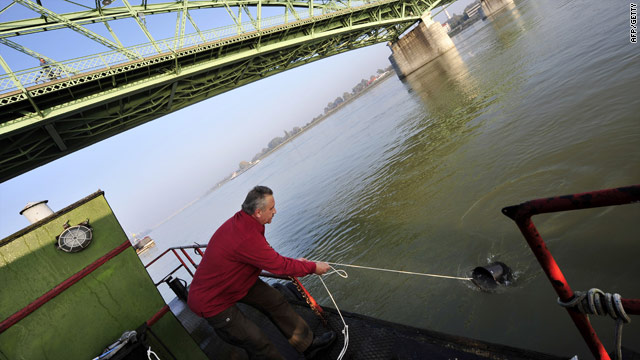
All life in the Marcal river, which feeds the Danube, is said to have been extinguished.
Around 150 people were injured by the spill of up to 700,000 cubic metres (24.7m cu ft) of red toxic sludge - many receiving burns.
Emergency crews have been working to dilute the alkaline content of the spill, adding huge quantities of gypsum and chemical fertilisers to the waters of the Marcal and Raba rivers.
The people of polluted Kolontar have been left homeless.
Warm sunshine is forecast for the next days, helping the relief effort but adding yet another danger. As the red mud dries, it turns to dust, laced with heavy metals and a mild radioactive content. That is blown by the wind, increasing the polluted area and threatening the health of everyone. Emergency officials are insisting that everyone wear face masks at all times.
It is rather more toxic than just dirt! The ph in the Marcal was around 13. 'Sprinkle' 40km2 with gypsum, and clean-up with a fire-hose?
This picture of the reservoir is an odd one. There is a distinct lack of vegetation on one side of the corner which collapsed, compared to the other side.
http://www.bbc.co.uk/news/world-europe-11497499