
Politics is f****d


 23 Jul 2020, 7:58 am

Hello guys how is it going? I know I am an irregular poster but I still like to contribute sometimes.
On a number of occasions when I have come onto this forum I get the impression that allot of us here including Face of Boo, Sly, Markinis and Auntblubby are feeling quite angry, cynical and alienated with the state of politics and society. There was a period of time in which I was inclined to dismiss these kinds of sentiments but now I am beginning to think they are probably right.
Over the last year I have decided to get involved in political youth wings here in New Zealand. And one thing that is always consistent is that they will always invite in disgusting toxic people who want to dominate, control and take advantage of others.
Harassment is very common. And in most of these cases these go unreported but I hear about them anyway since this is what my friends have to face frequently. These tend to by and large by pretty f****d up places for sure. And where such complaints have been registered, frequently just nothing at all happens and the same s**t continues.
As a result I am beginning to come across more and more toxic people and have had to cut out a good chunk of out of my life. But knowing this makes me often feel despondent and uncomfortable. The vast majority of politicians and people in positions of power have disgusting attributes, and want to take advantage of you at every turn. And they always will. We shouldn't have any problem acknowledging that.
What do you guys think?
Last edited by Shahunshah on 23 Jul 2020, 8:17 am, edited 1 time in total.
 23 Jul 2020, 8:17 am
I knw how you're feeling on this one... It is sickening when even the counter-culture, that's supposed to propose an alternative to the corrupt political system, is full of the same nasty little dominance games.
An article I read recently talked about there are two basic kinds of leaders. There are "dominance" leaders whole rule by demanding support, spreading fear, threatening anyone who doesn't support them and being generally combatative. "Prestige" leaders, on the other hand, are intelligent, persuasive, and good at building consensus through negotiation. Hunter-gatherers prefer "prestige" leaders, but here in "civilisation" we have a fatal weakness for "dominance" leaders who get us riled up against some notional enemy or other.
_________________
You're so vain
I bet you think this sig is about you
 23 Jul 2020, 8:29 am
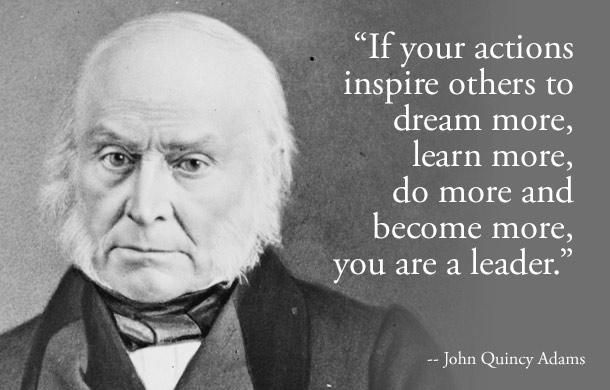
_________________
The mere fact that science may not yet adequately explain an object, event, or experience does not mean the immediate explanation should automatically default to a conspiratorial, extraterrestrial, paranormal, or supernatural cause.
Last edited by Fnord on 23 Jul 2020, 8:31 am, edited 1 time in total.
23 Jul 2020, 8:31 am
An article I read recently talked about there are two basic kinds of leaders. There are "dominance" leaders whole rule by demanding support, spreading fear, threatening anyone who doesn't support them and being generally combatative. "Prestige" leaders, on the other hand, are intelligent, persuasive, and good at building consensus through negotiation. Hunter-gatherers prefer "prestige" leaders, but here in "civilisation" we have a fatal weakness for "dominance" leaders who get us riled up against some notional enemy or other.
It's disgusting how much we are able to get preyed upon. Sometimes I even think that humans if they feel the right emotions will actively seek out monstrous cruel and nasty leaders. The thinking goes like this "They may be a monster but they are our monster and I like that."
Is it just a coincidence I wonder that Tokyo and multiple Japanese provinces voted into mayoral and governor positions, the very men that conducted horrific experiments on prisoners of war during World War II. Or that men like Chris Kyle who openly bragged out shooting kids in Iraq and looters during hurricane Katrina developed a cult of personality around him. I simply do not know. But one example I am fascinated by is George Wallace, the former segregationist governor of Alabama. Years after his death his son would tell about how his father discussed how he tried communicating to voters about healthcare and jobs but nobody would respond. But then when he'd throw in a racial slur the crowd would erupt in a violent applause.
23 Jul 2020, 9:41 am
To Be An Effective Leader
• Assess situations rapidly, make sound and timely decisions, gather essential information, announce decisions in time for employees to react, and consider the short- and long-term effects of your decisions.
• Build the team by training and cross training your employees until they are confident in their technical and occupational abilities. Develop a team spirit that motivates them to participate willingly and confidently in company business.
• Develop a sense of responsibility in employees by teaching, challenging, and developing them. Delegate to show you trust them. This makes them want more responsibility.
• Ensure your employees understand the task; supervise them, and ensure they accomplish it. Employees need to know what you expect: when and what you want them to do, and to what standard.
• Keep your employees informed to help them make decisions and execute plans within your intent; encourage initiative, improve teamwork, and enhance morale.
• Know your company's capabilities and limitations and employ them accordingly.
• Seek responsibility and take responsibility for your actions; exercise initiative; demonstrate resourcefulness; and takes advantage of opportunities in the business world that will lead to success; accept fair criticism and take corrective actions for your mistakes.
• Set the example by serving as a role model for your employees. Set high but attainable standards; be willing do what you require of your employees; and share risks and hardships with them.
_________________
The mere fact that science may not yet adequately explain an object, event, or experience does not mean the immediate explanation should automatically default to a conspiratorial, extraterrestrial, paranormal, or supernatural cause.
23 Jul 2020, 10:34 am
How to Be A Bad Boss (a.k.a., Tyrant)
• Avoid making promises, because you will just have to break them later and lie that you ever promised anything in the first place. Make up stories when you do not know the answer to an employee's question.
• Cause dissension among staff members. Show favoritism, and openly disparage employee's personal problems and disabilities, and handicaps.
• Fail to communicate, and never give clear expectations, timelines, or goals. Change your mind frequently, leaving employees off-balance. Change expectations and deadlines frequently so that employees have trouble knowing where they stand and whether they are meeting expectations, and so that employees fail to feel a sense of accomplishment when expectations don't exist.
• Love brownnosers, tattletales, and relatives who report to you about your other employees' behavior. Choose favorite employees and cover up and make excuses for their poor work. Ignore selected people and discriminate against many employees. Give your favorites better schedules and assignments, more attention, and pal around with them outside of work.
• Never accept constructive feedback and suggestions for improvement. Never put up with disagreement from employees who have their own opinions about work-related issues. You do not have to openly disparage and abuse your employees, just do not listen to them.
• Never deal with a difficult situation, especially a difficult employee who is making the workplace unpleasant for every other person, despite knowing that dealing with the problem is the right thing to do.
• Never provide rewards or recognition for positive employee performance, so that employees rarely feel recognized no matter how much they have contributed or succeeded.
• Never let go of problems or mistakes. Returns to discuss negative events, and continually search for faults in employees and their work. Exaggerate their fault, or even make them up if you must.
• Speak loudly, rudely, one-sidedly to staff. Never provide the opportunity for staff to respond to accusations and comments. Intimidate people and allow your favorite employees to bully co-workers. Talks right over employees who has put aside their fear and attempted to communicate.
• Take credit for the successes and positive accomplishments of your employees. Be quick to blame employees when something goes wrong. Throw employees under the bus loudly and in public whenever you need to cover for your own poor performance or lack of leadership and follow-through.
• Use disciplinary measures inappropriately when simple, positive communication would correct the problem. Ignore employees until there is a problem, and then blame everyone in sight.
_________________
The mere fact that science may not yet adequately explain an object, event, or experience does not mean the immediate explanation should automatically default to a conspiratorial, extraterrestrial, paranormal, or supernatural cause.

 23 Jul 2020, 11:22 am
• Cause dissension among staff members. Show favoritism, and openly disparage employee's personal problems and disabilities, and handicaps.
• Fail to communicate, and never give clear expectations, timelines, or goals. Change your mind frequently, leaving employees off-balance. Change expectations and deadlines frequently so that employees have trouble knowing where they stand and whether they are meeting expectations, and so that employees fail to feel a sense of accomplishment when expectations don't exist.
• Love brownnosers, tattletales, and relatives who report to you about your other employees' behavior. Choose favorite employees and cover up and make excuses for their poor work. Ignore selected people and discriminate against many employees. Give your favorites better schedules and assignments, more attention, and pal around with them outside of work.
• Never accept constructive feedback and suggestions for improvement. Never put up with disagreement from employees who have their own opinions about work-related issues. You do not have to openly disparage and abuse your employees, just do not listen to them.
• Never deal with a difficult situation, especially a difficult employee who is making the workplace unpleasant for every other person, despite knowing that dealing with the problem is the right thing to do.
• Never provide rewards or recognition for positive employee performance, so that employees rarely feel recognized no matter how much they have contributed or succeeded.
• Never let go of problems or mistakes. Returns to discuss negative events, and continually search for faults in employees and their work. Exaggerate their fault, or even make them up if you must.
• Speak loudly, rudely, one-sidedly to staff. Never provide the opportunity for staff to respond to accusations and comments. Intimidate people and allow your favorite employees to bully co-workers. Talks right over employees who has put aside their fear and attempted to communicate.
• Take credit for the successes and positive accomplishments of your employees. Be quick to blame employees when something goes wrong. Throw employees under the bus loudly and in public whenever you need to cover for your own poor performance or lack of leadership and follow-through.
• Use disciplinary measures inappropriately when simple, positive communication would correct the problem. Ignore employees until there is a problem, and then blame everyone in sight.
Is it a guideline to COVID response for governments?
_________________
Let's not confuse being normal with being mentally healthy.
<not moderating PPR stuff concerning East Europe>
23 Jul 2020, 12:47 pm
_________________
The mere fact that science may not yet adequately explain an object, event, or experience does not mean the immediate explanation should automatically default to a conspiratorial, extraterrestrial, paranormal, or supernatural cause.
Teach51
Veteran


Joined: 28 Jan 2019
Gender: Female
Posts: 2,808
Location: Where angels do not fear to tread.
23 Jul 2020, 12:55 pm
• Cause dissension among staff members. Show favoritism, and openly disparage employee's personal problems and disabilities, and handicaps.
• Fail to communicate, and never give clear expectations, timelines, or goals. Change your mind frequently, leaving employees off-balance. Change expectations and deadlines frequently so that employees have trouble knowing where they stand and whether they are meeting expectations, and so that employees fail to feel a sense of accomplishment when expectations don't exist.
• Love brownnosers, tattletales, and relatives who report to you about your other employees' behavior. Choose favorite employees and cover up and make excuses for their poor work. Ignore selected people and discriminate against many employees. Give your favorites better schedules and assignments, more attention, and pal around with them outside of work.
• Never accept constructive feedback and suggestions for improvement. Never put up with disagreement from employees who have their own opinions about work-related issues. You do not have to openly disparage and abuse your employees, just do not listen to them.
• Never deal with a difficult situation, especially a difficult employee who is making the workplace unpleasant for every other person, despite knowing that dealing with the problem is the right thing to do.
• Never provide rewards or recognition for positive employee performance, so that employees rarely feel recognized no matter how much they have contributed or succeeded.
• Never let go of problems or mistakes. Returns to discuss negative events, and continually search for faults in employees and their work. Exaggerate their fault, or even make them up if you must.
• Speak loudly, rudely, one-sidedly to staff. Never provide the opportunity for staff to respond to accusations and comments. Intimidate people and allow your favorite employees to bully co-workers. Talks right over employees who has put aside their fear and attempted to communicate.
• Take credit for the successes and positive accomplishments of your employees. Be quick to blame employees when something goes wrong. Throw employees under the bus loudly and in public whenever you need to cover for your own poor performance or lack of leadership and follow-through.
• Use disciplinary measures inappropriately when simple, positive communication would correct the problem. Ignore employees until there is a problem, and then blame everyone in sight.
Is it a guideline to COVID response for governments?
It is for my government

_________________
My best will just have to be good enough.
 26 Aug 2020, 1:30 am
• Cause dissension among staff members. Show favoritism, and openly disparage employee's personal problems and disabilities, and handicaps.
• Fail to communicate, and never give clear expectations, timelines, or goals. Change your mind frequently, leaving employees off-balance. Change expectations and deadlines frequently so that employees have trouble knowing where they stand and whether they are meeting expectations, and so that employees fail to feel a sense of accomplishment when expectations don't exist.
• Love brownnosers, tattletales, and relatives who report to you about your other employees' behavior. Choose favorite employees and cover up and make excuses for their poor work. Ignore selected people and discriminate against many employees. Give your favorites better schedules and assignments, more attention, and pal around with them outside of work.
• Never accept constructive feedback and suggestions for improvement. Never put up with disagreement from employees who have their own opinions about work-related issues. You do not have to openly disparage and abuse your employees, just do not listen to them.
• Never deal with a difficult situation, especially a difficult employee who is making the workplace unpleasant for every other person, despite knowing that dealing with the problem is the right thing to do.
• Never provide rewards or recognition for positive employee performance, so that employees rarely feel recognized no matter how much they have contributed or succeeded.
• Never let go of problems or mistakes. Returns to discuss negative events, and continually search for faults in employees and their work. Exaggerate their fault, or even make them up if you must.
• Speak loudly, rudely, one-sidedly to staff. Never provide the opportunity for staff to respond to accusations and comments. Intimidate people and allow your favorite employees to bully co-workers. Talks right over employees who has put aside their fear and attempted to communicate.
• Take credit for the successes and positive accomplishments of your employees. Be quick to blame employees when something goes wrong. Throw employees under the bus loudly and in public whenever you need to cover for your own poor performance or lack of leadership and follow-through.
• Use disciplinary measures inappropriately when simple, positive communication would correct the problem. Ignore employees until there is a problem, and then blame everyone in sight.
Is it a guideline to COVID response for governments?
 I wish I could post this in politics but likely I would be run out of there for this.
26 Aug 2020, 1:37 am
I wish I could post this in politics but likely I would be run out of there for this.
26 Aug 2020, 1:37 am
An article I read recently talked about there are two basic kinds of leaders. There are "dominance" leaders whole rule by demanding support, spreading fear, threatening anyone who doesn't support them and being generally combatative. "Prestige" leaders, on the other hand, are intelligent, persuasive, and good at building consensus through negotiation. Hunter-gatherers prefer "prestige" leaders, but here in "civilisation" we have a fatal weakness for "dominance" leaders who get us riled up against some notional enemy or other.
The current state of counter culture in the West reminds me of Bill Hicks skit about commercialism.
 26 Aug 2020, 1:59 am
• Avoid making promises, because you will just have to break them later and lie that you ever promised anything in the first place. Make up stories when you do not know the answer to an employee's question.
• Cause dissension among staff members. Show favoritism, and openly disparage employee's personal problems and disabilities, and handicaps.
• Fail to communicate, and never give clear expectations, timelines, or goals. Change your mind frequently, leaving employees off-balance. Change expectations and deadlines frequently so that employees have trouble knowing where they stand and whether they are meeting expectations, and so that employees fail to feel a sense of accomplishment when expectations don't exist.
• Love brownnosers, tattletales, and relatives who report to you about your other employees' behavior. Choose favorite employees and cover up and make excuses for their poor work. Ignore selected people and discriminate against many employees. Give your favorites better schedules and assignments, more attention, and pal around with them outside of work.
• Never accept constructive feedback and suggestions for improvement. Never put up with disagreement from employees who have their own opinions about work-related issues. You do not have to openly disparage and abuse your employees, just do not listen to them.
• Never deal with a difficult situation, especially a difficult employee who is making the workplace unpleasant for every other person, despite knowing that dealing with the problem is the right thing to do.
• Never provide rewards or recognition for positive employee performance, so that employees rarely feel recognized no matter how much they have contributed or succeeded.
• Never let go of problems or mistakes. Returns to discuss negative events, and continually search for faults in employees and their work. Exaggerate their fault, or even make them up if you must.
• Speak loudly, rudely, one-sidedly to staff. Never provide the opportunity for staff to respond to accusations and comments. Intimidate people and allow your favorite employees to bully co-workers. Talks right over employees who has put aside their fear and attempted to communicate.
• Take credit for the successes and positive accomplishments of your employees. Be quick to blame employees when something goes wrong. Throw employees under the bus loudly and in public whenever you need to cover for your own poor performance or lack of leadership and follow-through.
• Use disciplinary measures inappropriately when simple, positive communication would correct the problem. Ignore employees until there is a problem, and then blame everyone in sight.
* Make a schedule and change it and not every inform your employer, also change it when they leave home for their weekend and get mad at them for not showing up to work
* Grant your employer their vacation time request and then "forget" all about it and then get mad at them when they don't show up to work when that time comes
* Make mistakes at work and not knowledge them and instead pass them onto your employer and blame it on them
_________________
Son: Diagnosed w/anxiety and ADHD. Also academic delayed and ASD lv 1.
Daughter: NT, no diagnoses. Possibly OCD. Is very private about herself.


