Having the aerodynamics of a brick causes the vehicle to consume more fuel than a sleeker shaped vehicle.
A low sportscar or a prius has a fuel saving shape
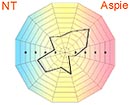
Vibing with a trades man vehicle appeals to my work ethic aspie utilitarianism, so I can relate the the boxy appeal, but I do like to save fuel more than most.
An aerodynamic automobile will integrate the wheel arcs and lights into the overall shape to reduce drag. It will be streamlined; for example, it does not have sharp edges crossing the wind stream above the windshield and will feature a sort of tail called a fastback or Kammback or liftback. Note that the Aptera 2e, the Loremo, and the Volkswagen 1-litre car try to reduce the area of their back. It will have a flat and smooth floor to support the Venturi effect and produce desirable downwards aerodynamic forces. The air that rams into the engine bay, is used for cooling, combustion, and for passengers, then reaccelerated by a nozzle and then ejected under the floor. For mid and rear engines air is decelerated and pressurized in a diffuser, loses some pressure as it passes the engine bay, and fills the slipstream. These cars need a seal between the low pressure region around the wheels and the high pressure around the gearbox. They all have a closed engine bay floor. The suspension is either streamlined (Aptera) or retracted. Door handles, the antenna, and roof rails can have a streamlined shape. The side mirror can only have a round fairing as a nose. Air flow through the wheel-bays is said to increase drag (German source) though race cars need it for brake cooling and many cars emit the air from the radiator into the wheel bay