Hypnosis incompatible with asperger?
There are times where I suspect the other person is being irreverent, so I nod in acknowledgement but in a way that shows apathy, like "yeah, sure, whatever", to communicate that I don't care for what they're doing or saying. This is passive-aggressive, but sometimes passive-aggression is more convenient. I don't feel comfortable in most social interactions, especially in person. I don't care about anyone's social life, and I'm done pretending to care. This is why I don't have a "normal" social life--it seems to require that I be interested in people in an interpersonal way. I'm very selective about who I invest in interpersonally. I prefer Internet relationships because social media helps me narrow down friendship candidates.
_________________
Autistic (self-identified)
Open source, free software, and open knowledge geek
GoLang, Python, & SysAdmin aspirant
RPG enthusiast
Has OCD, social anxiety, CPTSD
There was an interesting story in the news today. Many Aspies are overly sensitive to food. We tend to be picky eaters. The story was about a young girl who went way beyond the definition of a picky eater and her phobia was cured through hypnosis.
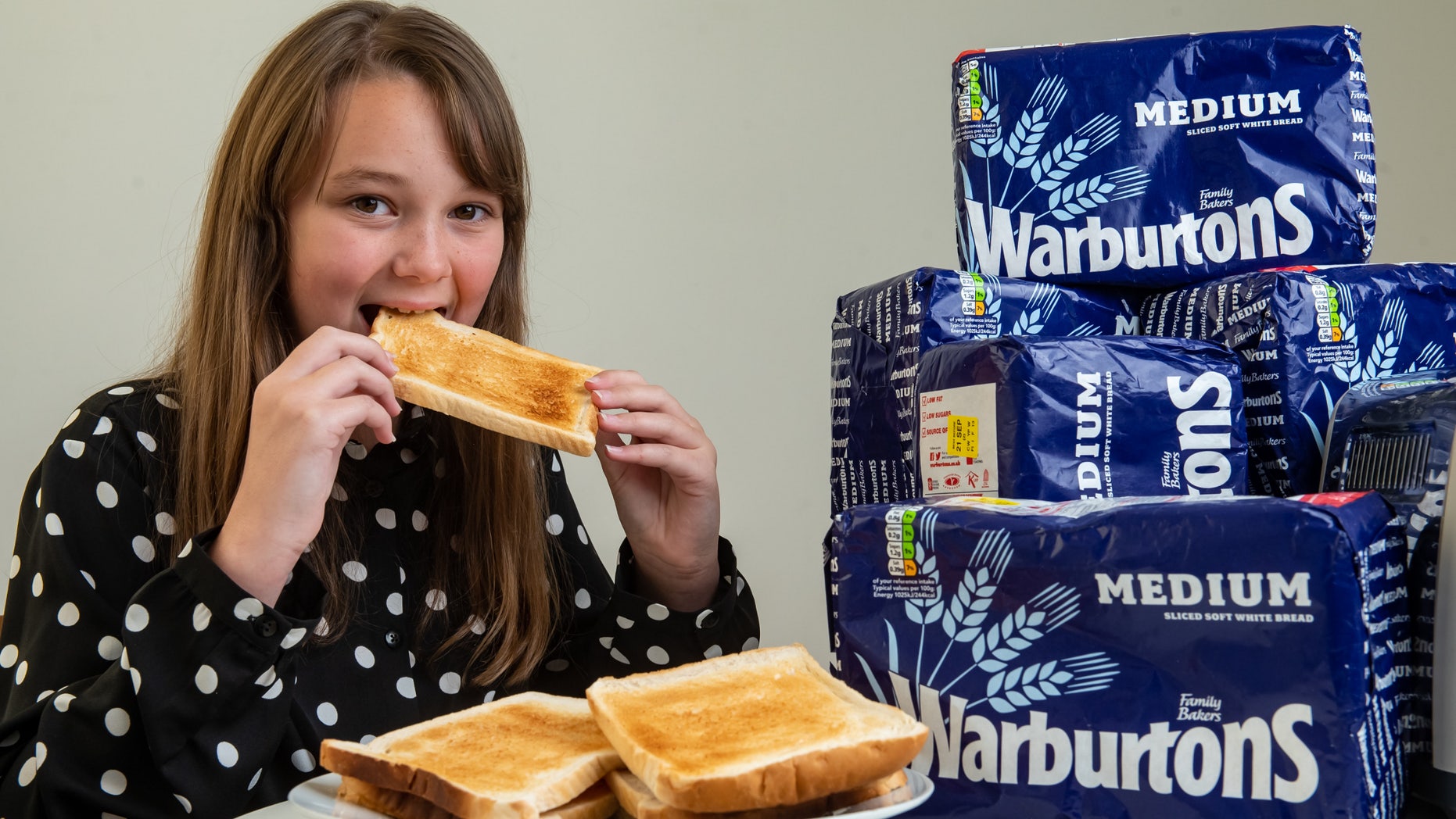
Martha Davies, 10, would gag if she tried anything other than her bland diet of toast and the occasional handful of barbecue Pringles. Even her Christmas dinner was a round of Warburtons Blue medium sliced toast washed down with a glass of water.
She developed her fear of food – known as neophobia – when she was 18 months old and went on to munch through five slices of toast every day.
“Up until she was 18 months old she ate normally like a baby in a high chair with soft food," Julie Davies, from Coventry, said. "Then she started screaming and pushing food away. I persevered with her, but it seemed to get worse over time.”
Instead of getting better, it got worse. "Before she would have two pieces of buttered toast for breakfast and three pieces for dinner.” “It had to be Warburtons Blue, not crusty bread and it had to be toasted. We were spending a fortune on bread,” she explained. “She would take a packed lunch to school of Pringles and biscuits like custard creams or gingerbreads.”
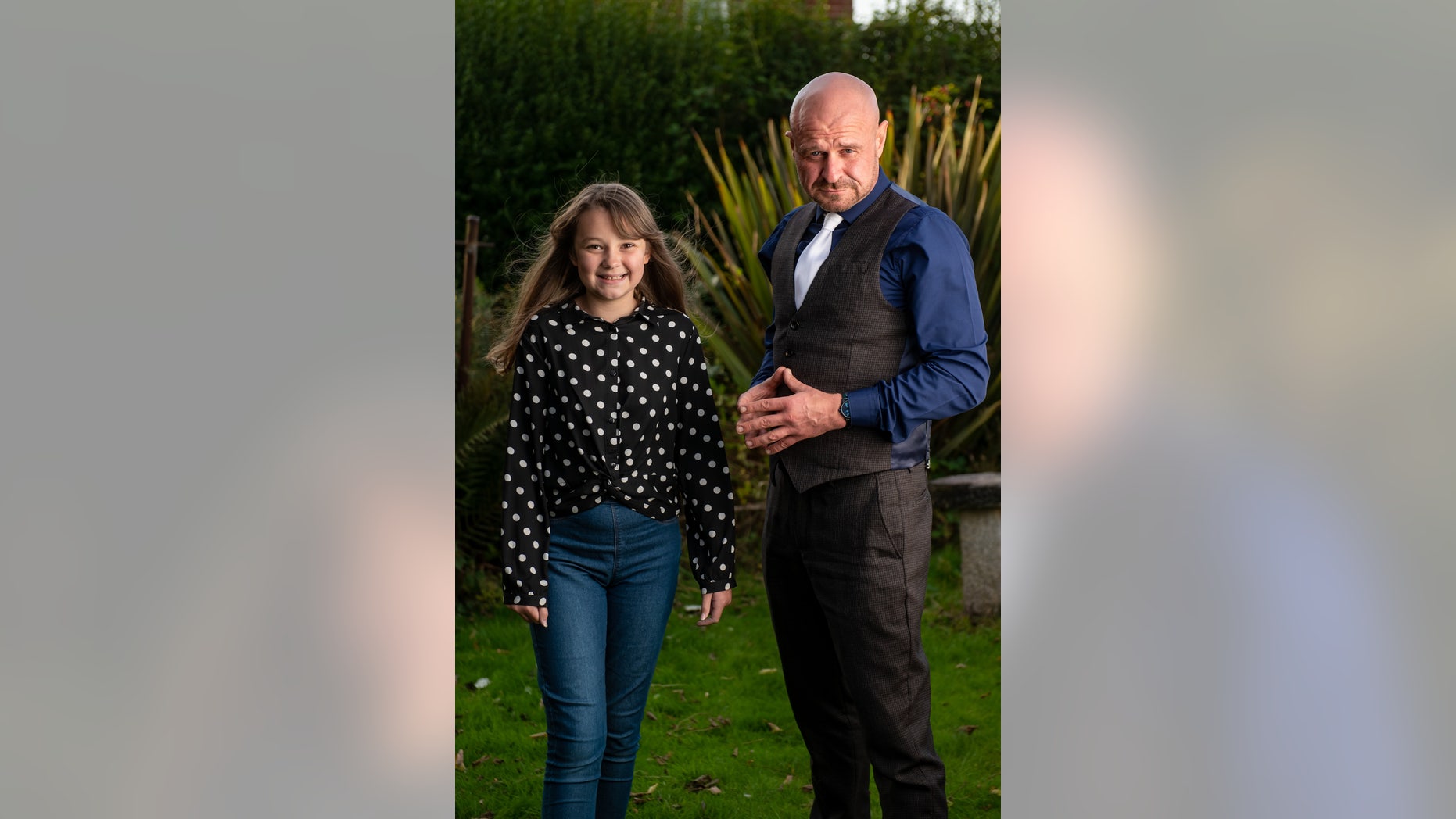
Charity worker Julie, also mom to Archie, 15, was so desperate she contacted Cognitive Behavioral Hypnotherapist David Kilmurry for help. He hypnotized Martha and after the first two-hour session the youngster tucked into her first-ever cooked meal of pizza.
Life coach Kilmurry, who specializes in treating fussy eaters, said Martha Davies came to him with extreme neophobia. The word is Latin for ‘fear of the new’ it is also called avoidant/restrictive food intake disorder or selective/binge eating disorder and it is a highly misunderstood is a phobia rather than eating disorder.
“I’ll still eat toast but I really enjoyed trying chicken nuggets and pasta," Martha Davies said. "I’m not worried about eating different things now.”
Source: Girl who ate only toast, Pringles claims hypnotherapy cured her food fears
So this is an interesting story. Has any other Aspies tried to use hypnosis to treat problems of being a picky eater? How did that work for you?
_________________
Author of Practical Preparations for a Coronavirus Pandemic.
A very unique plan. As Dr. Paul Thompson wrote, "This is the very best paper on the virus I have ever seen."
auntblabby
Veteran
Joined: 12 Feb 2010
Gender: Male
Posts: 115,217
Location: the island of defective toy santas
the thing about hypnosis, is that it REQUIRES the subject be both relaxed and simultaneously fully alert, a lot of us on the spectrum specifically have problems doing both those things at once. i can be relaxed but i'm not gonna be alert at the same time, or i can be alert but definitely not relaxed.
Hypnosis test: https://www.clinicalhypnotherapy-cardif ... osis-test/
I got 32 = Extremely susceptible to hypnosis.
I knew this already. ![]()
I scored 22 but I doubt it would be at all easy to hypnotise me. My patience is frequently tried by the insult to my intelligence from advertisers, Facebook (same thing really), politicians, and even ordinary people who come out with brainwashy, intellectually-bankrupt rubbish in their pathetic attempts to get past my brain's critical faculty. It's possible a few subliminal messages get through - it would be hard to know for sure - but I doubt there's much. Like most reductionist forced-response questionnaires, I got the strong impression that my answers were misleading the algorithm. It would be interesting to try various responses to the questions to see if it's even possible to get a low score, and to figure out what they take as evidence of susceptibility to hypnosis.
Actually their description of unhypnotisable people sounds more like me:
"You are predominantly analytical in your approach to life and underuse some very effective personal mental resources (your creativity and emotions). Only when you have surrendered your constant search for an answer to your questions, do you begin to use these resources.
Keeping control is very important to you. It takes a lot of courage to accept help since you believe that by accepting help, you may lose control of how you like to problem-solve. Being spontaneous is avoided because again, it can seem like an opportunity to lose control and be judged. You struggle to let go and relax; you may wait until you are exhausted before you can relax."
But I'm a tad wary of the advice that follows:
"You can benefit from hypnotherapy, but certain barriers would need to be broken down through the course of your treatment. Trust and respect for your hypnotherapist are important requisites before you are ready to “open up” and be guided through a process of change. Ironically, this would add more control to your life and help you resolve the issue for which you seek treatment.
Can you accept that hypnosis is merely ‘a state of heightened receptivity to suggestion’ and not mind-control? Once you have accepted this, you can then benefit from using these positive techniques."
So a dude who makes money from hypnotising people says I should trust my hypnotherapist, and that I'm missing out on the empowerment he could give me. Might have some truth in it if he's like Derren Brown (I've seen him do some very good things, assuming it's not all rigged), but it's also a good way to sell snake oil. Thing is, I feel trust and respect have to be earned, for the most part. I might make a low-risk speculative investment of trust in a stranger, but that's all.
Interesting that he should distinguish between being receptive to suggestion and succumbing to mind-control. I'm not sure how that applies to hypnosis, but in everyday life, I'm aware of pondering opinions I'm highly suspicious of - e.g. I'm strongly against Trump and the Republicans, but sometimes I see what his supporters are saying and I wonder "could they be right about this or that?" I'm not one to shut down rational argument and ideas just because they're awkward to my notion of reality.

auntblabby
Veteran
Joined: 12 Feb 2010
Gender: Male
Posts: 115,217
Location: the island of defective toy santas
^
It's beginning to look like the test isn't very reliable then. It's a relief to me n a way. I'm not comfortable with the notion that I'm easily hypnotisable, in spite of the claimed potential for somebody to unlock my creative juices and inner powers. I suspect that heightened receptivity to suggestion and mind-control might be pretty much the same thing, in spite of what that hypnotist tells us.
I received a score of 28 on the hypnotism test.
[19 and above: Highly receptive to hypnosis]
You possess an exceptional mind that is made for hypnosis and would respond very well to a course of hypnotherapy. If you are seeking to make a therapeutic change, hypnotherapy can help you accelerate this change in a relatively short period of time.
All I can say is that it is a strange test. I wonder how Fnord would score on this one?
_________________
Author of Practical Preparations for a Coronavirus Pandemic.
A very unique plan. As Dr. Paul Thompson wrote, "This is the very best paper on the virus I have ever seen."